Introduction
Completing Grade 12 is one of the most significant milestones in a student’s academic journey. It marks the transition from school education to higher education, where students begin shaping their professional future. While this stage is exciting, it also comes with important decisions regarding career paths, degree programs, universities, and future employment opportunities.
Many students feel uncertain about what to do after Grade 12. Should they pursue business studies, information technology, engineering, healthcare, media, psychology, or another discipline? Which degree offers the best career prospects? How can they choose an institution that provides quality education, industry exposure, and global recognition?
For students in the UAE, higher education opportunities continue to expand with internationally aligned curricula, modern campuses, experienced faculty, and career-oriented learning. Selecting the best college for degree in abu dhabi can provide students with the knowledge, practical skills, and confidence required to succeed in today’s competitive global job market.
This comprehensive guide explains how students can complete their qualification after Grade 12, choose the right undergraduate program, prepare for future careers, and make informed academic decisions.
Why Completing Higher Education Matters
Today’s employers look beyond a school qualification. A university degree helps students build specialized knowledge, practical experience, and professional competencies that are essential for career growth.
Higher education enables students to:
- Develop subject expertise
- Build analytical thinking
- Improve communication skills
- Gain practical experience
- Increase employability
- Access global career opportunities
- Prepare for postgraduate education
- Build leadership capabilities
- Strengthen problem-solving abilities
- Expand professional networks
A degree also opens pathways to certifications, professional qualifications, entrepreneurship, and lifelong learning.
Understanding Your Options After Grade 12
Students often believe there is only one route to success, but higher education offers numerous pathways based on personal interests and career aspirations.
Some of the most popular undergraduate options include:
Bachelor of Business Administration (BBA)
Ideal for students interested in management, entrepreneurship, marketing, finance, and business leadership.
Students learn:
- Business management
- Marketing
- Human resources
- Finance
- Entrepreneurship
- Organizational behavior
- Business communication
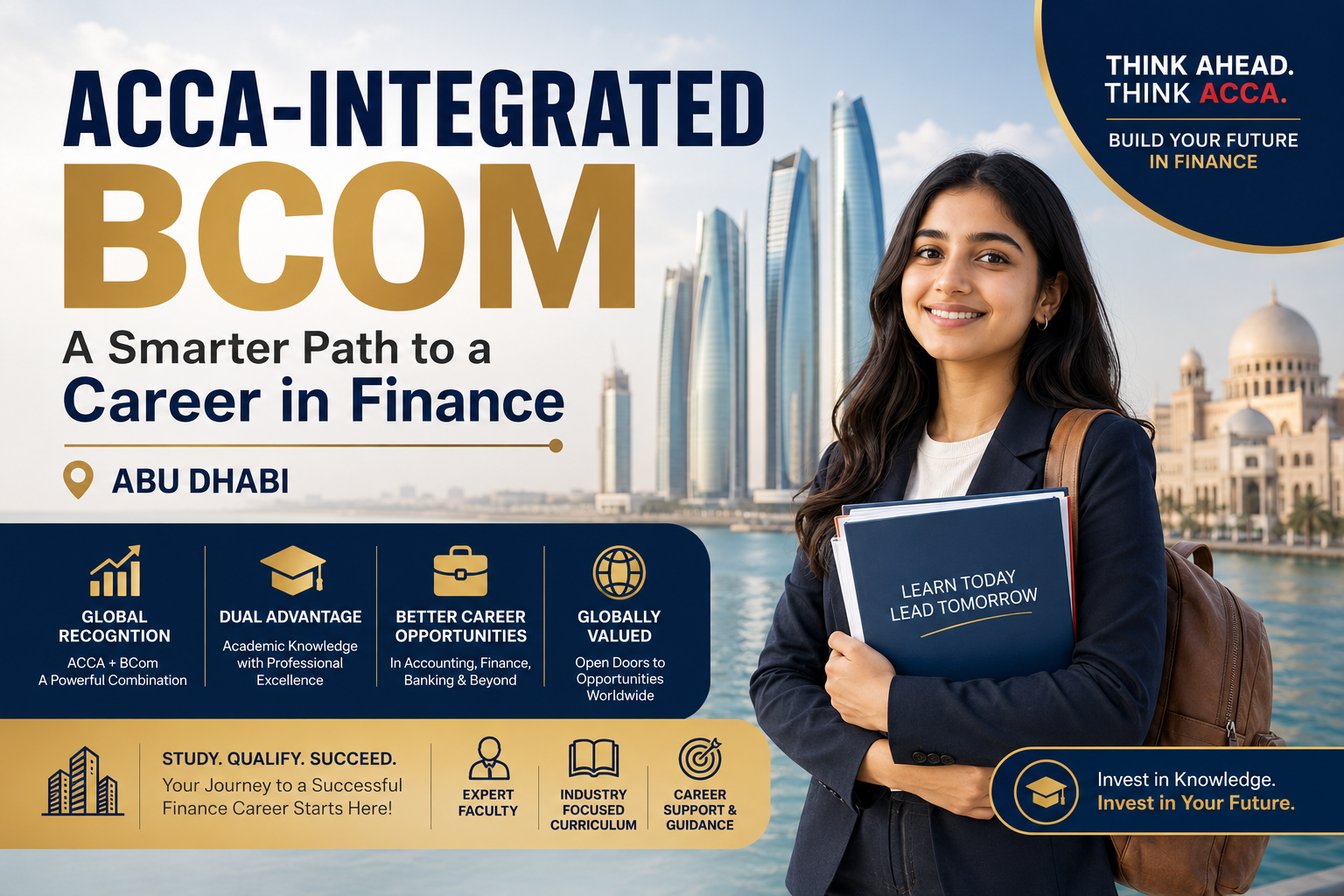
Bachelor of Commerce (BCom)
A strong foundation for careers in accounting, taxation, banking, auditing, finance, and corporate management.
Core learning areas include:
- Financial accounting
- Corporate finance
- Taxation
- Business law
- Economics
- Auditing
- Cost accounting
Bachelor of Computer Science
Perfect for technology enthusiasts.
Students gain expertise in:
- Programming
- Artificial Intelligence
- Data Science
- Cybersecurity
- Cloud Computing
- Software Development
- Database Management
Bachelor of Information Technology
Focused on business technology solutions including:
- Network administration
- Cloud technologies
- Information security
- Software systems
- Enterprise applications
- Digital infrastructure
Engineering Programs
Engineering degrees prepare students for industries including:
- Civil Engineering
- Mechanical Engineering
- Electrical Engineering
- Computer Engineering
- Robotics
- Industrial Engineering
Healthcare Programs
Healthcare remains one of the fastest-growing sectors worldwide.
Programs include:
- Nursing
- Pharmacy
- Public Health
- Healthcare Management
- Medical Laboratory Sciences
Media and Communication
Creative students can pursue careers in:
- Journalism
- Public Relations
- Advertising
- Digital Media
- Broadcasting
- Content Creation
Psychology
Psychology graduates work in:
- Counseling
- Human Resources
- Education
- Research
- Healthcare
- Organizational Development
How to Choose the Right Degree
Selecting a degree should never be based solely on popularity.
Students should consider:
Personal Interests
Choose subjects that genuinely inspire curiosity and long-term motivation.
Career Goals
Identify the profession you hope to pursue in the future.
Industry Demand
Research industries experiencing sustained growth and evolving employment opportunities.
Skill Development
Look for programs that emphasize practical learning, internships, and real-world projects.
International Recognition
A globally recognized curriculum can support future mobility for higher studies or employment.
Accreditation
Ensure that the institution and its programs are appropriately accredited and recognized by the relevant education authorities.
Skills Students Develop During University
Modern degree programs focus on employability as much as academic knowledge.
Students develop:
- Leadership
- Critical thinking
- Communication
- Teamwork
- Research abilities
- Analytical reasoning
- Digital literacy
- Presentation skills
- Time management
- Project management
- Professional ethics
- Innovation
These transferable skills remain valuable across industries.
Importance of Practical Learning
Employers increasingly seek graduates with hands-on experience.
Quality degree programs often include:
- Internships
- Industry projects
- Business case studies
- Laboratory sessions
- Research projects
- Professional workshops
- Guest lectures
- Career development programs
Practical learning bridges the gap between classroom education and workplace expectations.
Why Abu Dhabi Is an Excellent Destination for Higher Education
Abu Dhabi has become one of the leading education hubs in the Middle East.
Students benefit from:
- Internationally recognized universities
- Multicultural learning environments
- Advanced educational infrastructure
- Industry partnerships
- Modern laboratories
- Career support services
- Internship opportunities
- Safe and welcoming environment
The city also provides access to growing industries such as finance, healthcare, aviation, technology, renewable energy, tourism, and logistics.
Career Opportunities After Graduation
Graduates can pursue careers across multiple sectors depending on their chosen specialization.
Popular career paths include:
Business and Management
- Business Analyst
- Operations Executive
- Marketing Executive
- Human Resource Officer
- Project Coordinator
Finance and Accounting
- Financial Analyst
- Accountant
- Auditor
- Tax Consultant
- Investment Associate
Information Technology
- Software Developer
- Systems Analyst
- Network Engineer
- Cybersecurity Specialist
- Cloud Engineer
Engineering
- Design Engineer
- Site Engineer
- Project Engineer
- Production Engineer
- Quality Assurance Engineer
Healthcare
- Healthcare Administrator
- Clinical Coordinator
- Public Health Officer
- Laboratory Technologist
Media
- Digital Marketing Executive
- Content Strategist
- Public Relations Officer
- Media Planner
- Communications Specialist
Industries Hiring Graduates
Degree holders are employed in:
- Banking
- Healthcare
- Government
- Aviation
- Technology
- Construction
- Hospitality
- Retail
- Logistics
- Telecommunications
- Manufacturing
- Oil and Gas
- Education
- Consulting
- Media
Benefits of Studying in a Career-Oriented Institution
A student-focused institution provides much more than classroom teaching.
Advantages include:
Experienced Faculty
Students learn from academics and industry professionals with practical expertise.
Industry Exposure
Collaborations with businesses help students understand current workplace practices.
Modern Facilities
Smart classrooms, digital libraries, innovation labs, and collaborative learning spaces enhance education.
Internship Support
Structured internships allow students to gain practical experience before graduation.
Career Services
Career guidance, resume support, interview preparation, and employer networking improve graduate outcomes.
Preparing for the Future Workplace
The employment landscape is changing rapidly.
Future professionals require expertise in:
- Artificial Intelligence
- Data Analytics
- Automation
- Digital Transformation
- Sustainability
- Business Intelligence
- Innovation
- Leadership
- Cross-cultural communication
Universities that integrate these emerging areas into their curriculum better prepare students for tomorrow’s careers.
Tips for Students After Grade 12
Students can maximize their higher education experience by:
- Setting clear career goals
- Researching different degree programs
- Improving English communication skills
- Developing digital competencies
- Participating in extracurricular activities
- Building professional networks
- Completing internships
- Attending workshops and seminars
- Learning from mentors
- Maintaining academic consistency
Common Mistakes to Avoid
Many students make avoidable mistakes during college selection.
Avoid:
- Choosing a degree only because friends selected it
- Ignoring accreditation and recognition
- Focusing only on tuition costs
- Overlooking internship opportunities
- Not researching career outcomes
- Ignoring personal interests and strengths
- Waiting until the last minute to apply
Thoughtful planning helps students make confident decisions.
How Parents Can Support Students
Parents play a vital role in helping students transition into higher education.
Support can include:
- Encouraging career exploration
- Discussing long-term goals
- Visiting campuses
- Reviewing program details
- Helping students compare options
- Promoting independent decision-making
- Supporting academic and personal development
Building a Successful Career Starts Today
The years immediately after Grade 12 provide an opportunity to develop knowledge, confidence, and professional skills that influence future success.
Students who select programs aligned with their interests and career aspirations often enjoy greater motivation, stronger academic performance, and improved employment prospects.
By focusing on quality education, practical experience, and continuous learning, graduates can position themselves for rewarding careers across local and international industries.
Conclusion
Completing Grade 12 is not the end of the academic journey—it is the beginning of a new chapter filled with opportunities. Choosing the right undergraduate program, developing practical skills, and studying in a supportive learning environment can significantly influence future career success.
Whether your ambition is to become a business leader, engineer, finance professional, technology expert, healthcare practitioner, or entrepreneur, higher education provides the foundation needed to achieve your goals.
With careful planning, informed decision-making, and a commitment to lifelong learning, students can confidently move from school to university and from education to successful professional careers.